The report from electrification partner Enatel draws on industry expertise, data and research to outline how airports can successfully transition to electric ground support equipment in 2027.
CHRISTCHURCH, New Zealand, Sept. 1, 2026 /PRNewswire/ -- Airports across the world are adopting electric ground support equipment (eGSE), and a new report reveals unique barriers depending on operation size. Enatel, a global leader in electrification solutions, today launches The Global State of Airside Electrification: From Commitment to Operational Reality, backed by industry data, case studies and interviews.
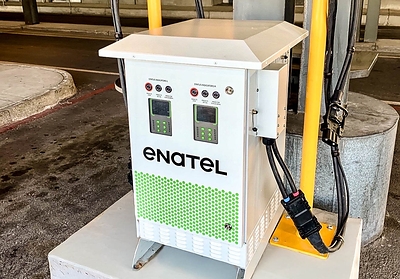
The report finds that electrification is accelerating globally, but airports face different execution challenges depending on scale. From power availability constraints at major hubs to knowledge and planning gaps at regional operations, both need actionable guidance to move from commitment to execution and meet sustainability goals.
The insights come at a pivotal time. A recent survey by Ground Support Worldwide found that nearly 65% of airports intend to invest in eGSE fleets over the next five years to meet sustainability targets, improve operational efficiency and comply with new regulations. However, over 70% of respondents indicated their current charging infrastructure is lacking.
"The question for most airports is no longer whether to electrify, it's how to plan and grow new electric GSE fleets effectively," said Mike Clifford, General Manager of Enatel. "This report explores how GSE operators should prioritize infrastructure strategies and long-term implementation planning."
Key Insights from the GSE Report
From large international airports to smaller regional hubs, airside ground support equipment electrification is gaining momentum globally. The report finds that some of the biggest opportunities and challenges for the industry include:
Industry Experts in the GSE Report
The report also highlights insights from airport operators and charging specialists around the world. Contributors include Tony Smith of Bahrain Airport Services, who provides perspective on a real-world charging case study, along with other experts from Deerns, FastCharge, Enatel, and IDEAL Industries.
"This report provides airport operators with the strategies they need to move from electrification commitment to scalable execution," said Rachel Whitehead, Director of Marketing and Product at Enatel. "Infrastructure decisions made today will support long-term electrification success."
Read the report here.
About Enatel®
Enatel is a global leader in advanced battery charging technology designed for industrial vehicles. With more than 200,000 chargers deployed globally, they design and manufacture efficient, scalable charging solutions used across the material handling equipment, ground support equipment, and AGV industries. Enatel is headquartered in New Zealand and is part of the IDEAL Industries Inc. family of companies.
Media Contact:
Kaitlin Liebling
Kaitlin.Liebling@idealindustries.com

 View original content to download multimedia:https://www.prnewswire.co.uk/news-releases/new-report-reveals-how-airports-can-successfully-scale-electrified-gse-fleets-in-2027-302863073.html

Die Innenministerkonferenz (IMK) der Länder hat ihr seit 1954 praktiziertes Einstimmigkeitsprinzip aufgegeben und setzt künftig auf Mehrheitsentscheidungen. Beschlüsse gelten nun als gemeinsame Linie der Länder, wenn mindestens 13 der 16 Innenministerinnen und Innenminister zustimmen. Die Neuregelung wurde nach Angaben eines Sprechers des Gremiums im schriftlichen Umlaufverfahren beschlossen und gilt ab sofort.
Auslöser für den Kurswechsel ist die Möglichkeit, dass in kommenden Landesregierungen die AfD das Innenressort übernehmen könnte. In Sachsen-Anhalt hatte ihr Spitzenkandidat Ulrich Siegmund zuletzt erklärt, er wolle sich im Dezember zum Ministerpräsidenten wählen lassen – ein Schritt, der eine Regierungsbildung mit AfD-Beteiligung als realistische Option erscheinen lässt. Nach der bisherigen Praxis hätte ein Land mit einem AfD-Innenminister im Zweifel IMK-Beschlüsse blockieren können.
Mit der Abkehr von der Einstimmigkeit wollen die übrigen Länder nach übereinstimmenden Angaben verhindern, dass ein einzelnes Ressort – unabhängig von der parteipolitischen Farbe – zentrale Positionierungen in Fragen der inneren Sicherheit ausbremst. Bislang sollte die Einstimmigkeit sicherstellen, dass kein Land bei sensiblen Themen überstimmt wird; ein Veto oder auch eine Enthaltung konnten Beschlüsse stoppen, abweichende Positionen wurden im Protokoll dokumentiert. Künftig soll bereits eine breite, aber nicht mehr vollständige Zustimmung als ausreichend gelten, um einen länderübergreifenden Standpunkt zu formulieren.
Formal bleibt die IMK ein informelles Gremium ohne gesetzliche Grundlage. Sie ist weder im Grundgesetz noch in Bundes- oder Landesgesetzen verankert und verfügt über keine geschriebene Geschäftsordnung. Gleichwohl entfalten ihre Beschlüsse beträchtliche Wirkung, weil sie in den Ländern politisch aufgegriffen und umgesetzt werden. Mit der nun eingeführten Mehrheitsregel verschiebt sich das Machtgefüge innerhalb dieser Runde: Konsens bleibt möglich, ist aber nicht mehr Voraussetzung dafür, dass die Innenminister gemeinsam handeln.




