SHANGHAI, June 13, 2026 /PRNewswire/ -- Angel Yeast (SSE: 600298), one of the world's leading yeast manufacturers, recently marked its 40th anniversary with the release of the 2025 Sustainability Report.
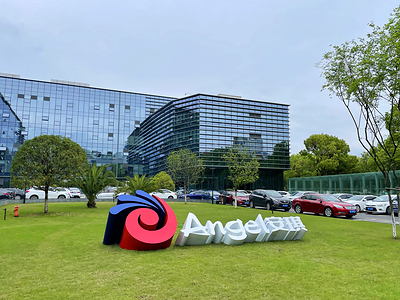
Structured around four key themes—Stable Development, Strong Momentum, Green Ecosystem, and Warm Care—the report outlines the company's performance in food safety, risk management, biotechnology innovation, environmental stewardship, and employee well-being. A dedicated ESG section covers governance, stakeholder engagement, and materiality assessment.
Throughout this year, Angel Yeast has continued to advance its global strategic initiatives consistently positioning sustainable development as a core strategic anchor to ensure the company's stable and long-term growth. Sustainability has been deeply integrated into corporate governance, strategic decision-making, and every segment of the value chain. Angel Yeast will remain true to its original mission and steadfast in action, working hand in hand with all partners to advance the path of sustainable development, pursuing long-term goals together and co-creating a shared future.
Climate goals and action: Angel Yeast has set clear targets to achieve carbon peaking by 2030 and carbon neutrality by 2059. In 2025 alone, the company implemented 46 energy efficiency and carbon reduction projects, saving over 10,000 MWh of electricity, 131,400 tonnes of steam, and 20,700 tonnes of coal. The company also made significant progress in quantifying carbon reduction outcomes, establishing benchmarks, developing systems, and enhancing capabilities.
Yeast protein for sustainable nutrition: Biotechnology innovation continues to drive product development at Angel Yeast. The company focuses on yeast-derived natural ingredients and precision fermentation technologies, developing products for nutritional fortification, gut health, sodium reduction, functional nutrition, and food-medicine homology applications. The company continues to bring these products to market to meet growing demand for healthier and more sustainable nutrition solutions.
International yeast standards: Angel Yeast also actively supports industry standardization efforts. In 2025, the world's first international standard for baking yeast, ISO 23983:2025, was published, with Angel Yeast contributing to its formulation.
Certification: In 2025, the company earned a Silver Medal from EcoVadis, a globally recognized rating agency, placing it among the top 15% of assessed organizations globally. Sustainable procurement performance ranked in the top 2% of its industry.
For the full report, please visit: https://en.angelyeast.com/about-us/social-responsibility.html

 View original content to download multimedia:https://www.prnewswire.co.uk/news-releases/angel-yeast-releases-2025-sustainability-report-as-company-marks-40th-anniversary-302799537.html

Silicon Saxony schärft sein Profil als europäischer Technologiestandort – und setzt dabei zunehmend auf hochspezialisierte Anwendungen. Mit dem Zukunftscluster SEMECO (Secure Medical Microsystems and Communications) startet in Dresden die zweite Förderphase für medizinische Halbleiter, während die sächsische Halbleiter- und Softwarebranche trotz schwacher Konjunktur weiter Beschäftigung aufbaut. Branchenangaben zufolge ist die Zahl der Jobs in diesem Ökosystem binnen eines Jahres um 1.500 auf rund 82.500 zum Stichtag 30. September 2025 gestiegen, ein Plus von knapp zwei Prozent gegenüber dem Vorjahr.
SEMECO entwickelt medizinische Halbleiter als Schlüsseltechnologie für sichere, vernetzte und intelligente Medizintechnik. Für die kommenden drei Jahre erhält der Cluster im Rahmen der Clusters4Future-Initiative des Bundesministeriums für Bildung und Forschung (BMBF) bis zu 15 Millionen Euro Fördermittel. Der Freistaat Sachsen begleitet das Bündnis seit Beginn und unterstützt zusätzliche regionale Forschungs- und Entwicklungsprojekte über die EFRE-Technologieförderung 2021 bis 2027. Seine aktuellen Entwicklungen präsentiert SEMECO auf den Silicon Saxony Days, die vom 15. bis 17. Juni 2026 in Dresden stattfinden sollen.
In der zweiten Förderphase richtet SEMECO den Fokus stärker auf standardisierbare medizinische Halbleiterplattformen und deren Transfer in industrielle und klinische Anwendungen. Die spezialisierten Mikrosysteme bündeln Sensorik, Datenverarbeitung, sichere Kommunikation und KI-gestützte Funktionen, zugeschnitten auf Anforderungen der Medizintechnik. Auf Basis eines modularen Plattformansatzes entstehen kombinierbare Halbleiter-, Elektronik- und Softwarekomponenten, die sich sicher integrieren und schrittweise weiterentwickeln lassen. KI-gestützte Methoden sollen zudem Zertifizierung und Zulassung unterstützen und damit den Technologietransfer in die medizinische Praxis beschleunigen – von tragbaren Ultraschallgeräten und intelligenten Vitaldatensensoren bis zu Kommunikationsimplantaten für Menschen mit eingeschränktem Hör- und Sprachvermögen.
Parallel dazu sieht der Branchenverband Silicon Saxony den gesamten Standort vor einer neuen Wachstumsphase. Das jüngste Beschäftigungsplus verteilt sich nach Verbandsangaben nahezu gleichmäßig auf Halbleiterindustrie und Softwarebranche. Die Investitionen der vergangenen Jahre entfalteten zunehmend Wirkung, sagte Frank Schönefeld, Vorsitzender des Präsidiums von Silicon Saxony. Vor dem Hintergrund der gesamtwirtschaftlich schwachen Lage unterstreiche die Entwicklung die langfristige Attraktivität des Standorts. Entlang der gesamten Wertschöpfungskette – von großen Fabrikprojekten bis zu mittelständischen Zulieferern für Reinraum- und Fabrikinfrastruktur, Spezialgase, Chemikalienversorgung und Messtechnik – rechnet der Cluster mit zusätzlichen Impulsen durch Künstliche Intelligenz, Digitalisierung und technologische Souveränität. Die Prognose von mehr als 100.000 Beschäftigten bis zum Ende des Jahrzehnts bleibt aus Sicht des Verbands unverändert bestehen.