Exclusive interview highlights advances in yeast protein and yeast extracts, global expansion, sustainability, and future growth drivers
SHANGHAI, June 16, 2026 /PRNewswire/ -- Angel Yeast (SSE: 600298), a global yeast and biotech company, was interviewed by Food Ingredients, a leading international trade publication, in celebration of its 40th anniversary. Chairman Xiong Tao reviewed the company's 40-year development journey during the exclusive interview, shared perspectives on recent developments in yeast extracts and yeast protein, and discussed the company's global expansion, sustainability initiatives, and key growth drivers.
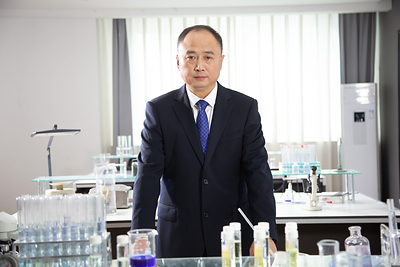
Over the past 40 years, Angel Yeast has helped make yeast products more widely available to consumers around the world through large-scale production and continuous innovation. This has not only modernized traditional fermentation processes but also made home baking easier and more accessible. The company has also expanded its expertise in yeast-derived ingredients, ranging from savory yeast extracts to yeast protein for nutrition applications. In yeast extracts, Angel Yeast applies biotechnology to help food manufacturers meet consumer demand for products that balance taste and nutrition. In yeast protein, its Angeopro product contains more than 80% protein and is widely recognized as a high-quality protein source.
"Yeast protein is becoming a new fermented protein source for the nutrition industry. It is moving toward large-scale application, expanding from traditional sectors such as baking, meat products, and dairy to emerging areas such as sports nutrition, foods for special medical purposes, and vegan foods. In the future, it is expected to see wider use around the world, and we are committed to making quality protein accessible and affordable for everyone," said Xiong Tao, Chairman of Angel Yeast.
Green Development: Circular Economy and ESG Practices
In 2025, Angel Yeast earned an EcoVadis Silver rating, placing the company among the top 15% of assessed organizations globally. The company has developed a circular production model in which agricultural raw materials are transformed into food ingredients, while production byproducts are returned to agriculture through value-added applications. At the same time, Angel Yeast has introduced renewable energy sources such as solar power and biomass, and established a full-life-cycle carbon footprint management system to ensure low-carbon production processes.
Global Expansion: Strengthening Local Presence and Customer Support
In an increasingly complex global business environment, Angel Yeast remains focused on providing reliable products and services to customers worldwide. To enhance responsiveness to the European market, the company has established an R&D center in Belgium to support the development of products tailored to local preferences. It is also building a new manufacturing facility in Indonesia to better serve customers across South Asia and other international markets.
"In the future, we will continue our overseas development philosophy of 'localizing for the local market,' bringing our supply chain closer to customers while also creating local jobs and supporting technological upgrading and industrial development," said Xiong Tao, Chairman of Angel Yeast.
Innovation as a Key Growth Driver
Across the yeast industry—from yeast extracts as natural flavoring solutions and yeast protein as a novel protein source to culture media for biopharmaceutical applications—significant opportunities for innovation remain.
"Innovation has always been at the heart of Angel Yeast's growth. As we look ahead, we will continue to strengthen our global manufacturing and R&D network, deepen our understanding of local markets, and invest in the capabilities needed to serve customers around the world. At the same time, we remain committed to attracting, developing, and retaining talented people, recognizing that their expertise and creativity are essential to the company's long-term success," said Xiong Tao, Chairman of Angel Yeast.
 View original content to download multimedia:https://www.prnewswire.co.uk/news-releases/angel-yeast-chairman-reflects-on-40-years-of-bringing-yeast-to-millions-of-households-worldwide-302801860.html

Die Zukunft des deutsch-französischen Panzerprojekts MGCS gerät zunehmend ins Wanken. Armin Papperger, Vorstandschef des Düsseldorfer Rüstungskonzerns Rheinmetall, schließt einen Rückzug Frankreichs aus dem Vorhaben nicht mehr aus. In einem Interview mit der „Welt am Sonntag“ sprach er von einem „Gefahrenszenario“, betonte allerdings, dass bislang keine endgültigen Entscheidungen gefallen seien. Die Diskussionen kommen zu einem Zeitpunkt, an dem mit dem Ende des Kampfflugzeugprojekts FCAS (Scaf) bereits ein anderes zentral geplantes Vorzeigeprojekt der Verteidigungskooperation zwischen Berlin und Paris gescheitert ist.
Nach Informationen Pappergers plant Frankreich, das Budget für das „Main Ground Combat System“ (MGCS) drastisch zu kürzen. Im Gespräch ist demnach ein Ansatz von weniger als der Hälfte der ursprünglichen Planungen. Zwar unterstrich der Rheinmetall-Chef, dass es „null Entscheidungen über das finale Budget“ gebe, doch ein reduzierter Finanzrahmen hätte nach seiner Einschätzung unweigerlich die Streichung von Leistungsumfängen und weitere Verzögerungen zur Folge. „Wenn man weniger Geld zur Verfügung hat, wird man nicht schneller, und wir sind jetzt schon sehr langsam“, sagte er. Bereits jetzt liegt das Programm, das seit rund einem Jahrzehnt läuft, weit hinter den ambitionierten politischen Ankündigungen zurück.
Das MGCS-Projekt wurde auf Initiative der Regierungen Frankreichs und Deutschlands gestartet, um ein gemeinsames, plattformübergreifendes Bodenkampfsystem zu entwickeln, das ab etwa 2040 die Kampfpanzer Leopard 2 und Leclerc ersetzen soll. Beteiligt sind neben Rheinmetall der französische Technologiekonzern Thales sowie KNDS – ein Zusammenschluss des deutschen Herstellers Krauss-Maffei Wegmann und des staatlichen französischen Rüstungsunternehmens Nexter. Trotz der politischen Bedeutung des Vorhabens sind die finanziellen Mittel bislang überschaubar: Die vier Partnerunternehmen haben in rund zehn Jahren zusammen lediglich 25 Millionen Euro erhalten, was Papperger als „offensichtlich sehr wenig Geld“ bezeichnete.
Parallel zum schleppend verlaufenden MGCS treiben Rheinmetall und KNDS Deutschland auf deutscher Seite bereits eine Zwischenlösung voran. Der in der Militärfachpresse inoffiziell „Leopard 3“ genannte neue Kampfpanzer soll nach aktueller Planung Anfang der 2030er Jahre in Dienst gestellt werden und damit die Lücke überbrücken, bis ein mögliches MGCS-System verfügbar wäre. Für MGCS selbst wird die Einsatzreife derzeit erst in den 2040er Jahren erwartet – ein Zeithorizont, den Papperger als „eine Wahnsinnszeit“ bezeichnete. Vor diesem Hintergrund stellte er die grundsätzliche Realisierung des Projekts offen in Frage: „Ich kann heute nicht sagen, ob es überhaupt ein MGCS geben wird.“ Die jüngsten Budgetüberlegungen in Paris verstärken diese Unsicherheit und nähren Zweifel daran, ob Europa den angestrebten gemeinsamen Panzer der Zukunft tatsächlich auf die Spur bringen kann.